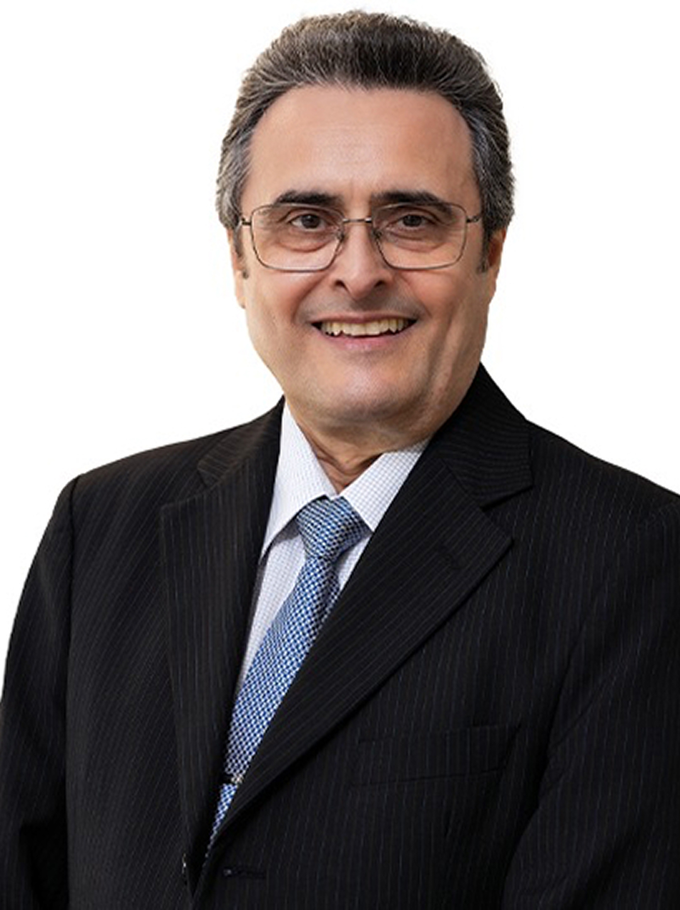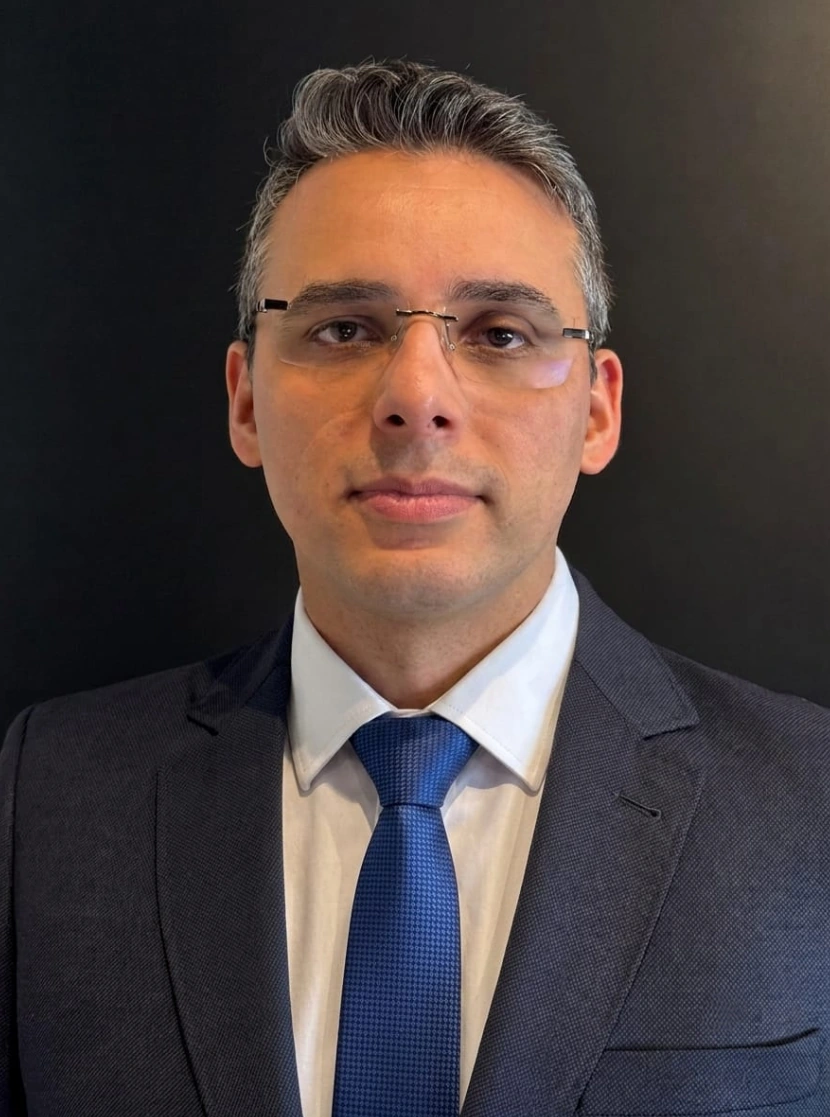
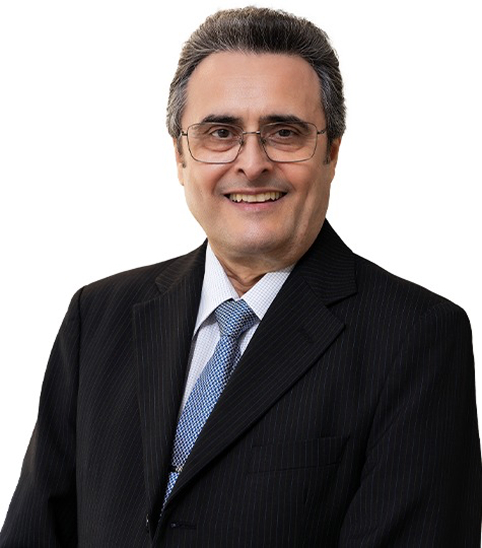
Prof. Dr. José Carlos Pachón Mateos
Physician · CRM-SP 34.966 · Cardiology · RQE 10.976
Cardiology, electrophysiology and cardiac pacing
José Carlos Pachón Mateos has devoted his career to caring for people with arrhythmias, research in electrophysiology and training specialists. He is the originator of cardioneuroablation, developed with his team and presented in an international publication in 2005. His work also encompasses mapping the heart's electrical signals, cardiac pacing and the development of technologies for electrophysiological procedures.
Career in numbers
Lattes CV · updated 21 October 2026- International invitations
- 132
- 334 invitations in total
- Article entries
- 98
- Authorship and coauthorship
- Doctoral theses supervised
- 10
- As primary supervisor
- Book chapters
- 47
- Authorship and coauthorship
- Books
- 3
- Authorship and editing
- Patents and applications
- 8
- Records in the CV
- Presentation entries
- 485
- Research, talks and panels
- Conference abstracts
- 184
- Published in proceedings
- Participation entries
- 741
- Activities at events
- Award and title entries
- 56
- Include appointments, memberships and honors
Contributions to electrophysiology
In 2004, he and his team described the so-called atrial fibrillation nests, identified through spectral analysis of cardiac signals. This research contributed to the development of mapping and ablation strategies and to investigations into the influence of the autonomic nervous system on heart rhythm.
Cardioneuroablation, presented by the group in the journal Europace in 2005, acts on this autonomic influence and is being studied for the treatment of selected cases of reflex syncope and functional bradyarrhythmias. José Carlos maintains a line of research on the technique, its assessment during procedures and patient follow-up.
In 2024, he coauthored the joint scientific statement by the European Heart Rhythm Association (EHRA), Heart Rhythm Society (HRS), Asia Pacific Heart Rhythm Society (APHRS) and Latin American Heart Rhythm Society (LAHRS) on cardioneuroablation.
Research and technological innovation
He is a co-inventor of spectral mapping and extracardiac autonomic stimulation technologies with patents granted in the United States. His work includes extracardiac vagal stimulation, which is used to assess autonomic nervous system responses during electrophysiological procedures.
Education and clinical practice
Academic training
He graduated in Medicine in 1978 from Faculdade Federal de Medicina do Triângulo Mineiro, now Universidade Federal do Triângulo Mineiro. He completed residency training in clinical cardiology and artificial cardiac pacing at Instituto Dante Pazzanese de Cardiologia. He earned his PhD in Cardiology from Universidade de São Paulo in 1998 and undertook postdoctoral research at the same university between 2011 and 2013.
Clinical career
He has worked at Hospital do Coração (HCor) since 1983, where he has directed the Serviço de Eletrofisiologia, Marcapasso e Arritmias since 1998. He also directs the Serviço de Arritmias Dr. Pachón at Hospital Sírio-Libanês, is responsible for the Serviço de Arritmias at Hospital Professor Edmundo Vasconcelos and is head physician at SEMAP.
At Instituto Dante Pazzanese, he coordinated the Serviço de Marcapasso from 1983 and directed it from 1998 until his retirement in 2019.
Teaching and scientific work
His academic work includes postgraduate teaching and supervision at Universidade de São Paulo and collaboration as a guest professor of Bioengineering at Universidade Federal do ABC. He has supervised ten doctoral dissertations as the primary supervisor, with research in cardiac pacing, resynchronization and ablation procedures.
He participates in international conferences, courses and proctoring activities. He shares his experience through lectures, case discussions and procedural teaching.
He is a Fellow of the Heart Rhythm Society (FHRS) and the European Heart Rhythm Association (FEHRA), with IBHRE certification in cardiac devices (CCDS).
Medical team
Specialists in cardiology, electrophysiology and pacemakers