
What ablation treats
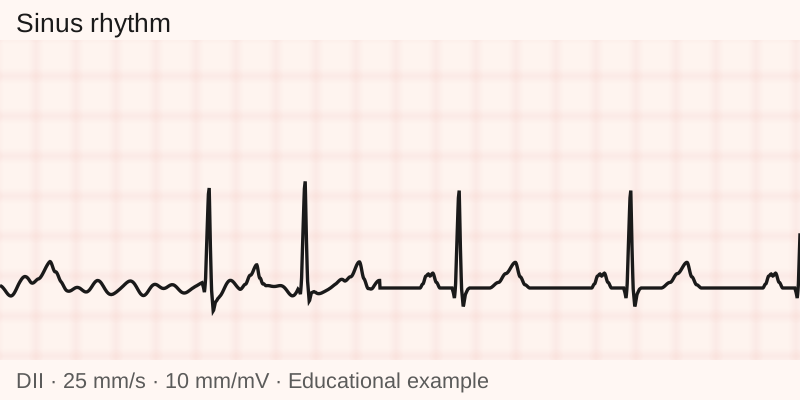
In atrial fibrillation, or AF, the electrical activity of the atria becomes disorganized. The heart may beat irregularly, with palpitations, tiredness or shortness of breath. Some people do not feel the arrhythmia. AF also increases the risk of blood clots and stroke.
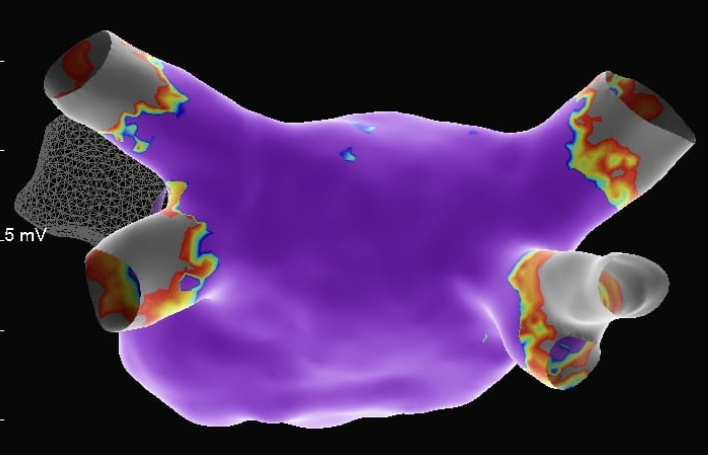
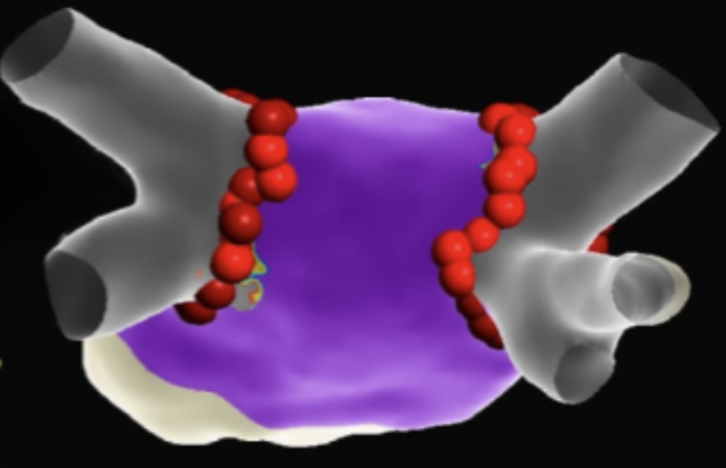
The foundation of ablation is the electrical isolation of the pulmonary veins, which enter the left atrium. This area contains tissue capable of initiating the arrhythmia, but it is not the only possible source. The goal is to block the conduction of these impulses to the atrium while preserving blood flow through the veins. [1]
When ablation may be indicated
Ablation is an option when AF causes symptoms and antiarrhythmic drugs do not control the arrhythmia, cause unwanted effects or are unsuitable. It may also be chosen as the first rhythm control treatment in selected patients, especially for paroxysmal AF, which occurs in episodes.
The decision considers the duration of AF, the size of the atrium, associated conditions and the patient’s preference. In some people with heart failure and reduced pumping strength, ablation may improve heart function and reduce hospitalizations. This benefit depends on the characteristics of the individual case and does not mean ablation is automatically indicated for everyone with heart failure. [1] [2]
How to prepare for your assessment
Bring electrocardiograms, Holter and echocardiogram results, reports from previous visits and a list of your current medications. Recording when episodes occur, how long they last and how they limit your activities helps when discussing the expected benefit.
Before the procedure, the team determines the necessary tests, fasting and medication management. It may be necessary to check for blood clots in the heart. Do not stop taking anticoagulants on your own. If you have missed doses, experienced bleeding or run out of medication, tell the team before the procedure so you can receive guidance. Report any allergies and kidney problems. Arrange for someone to accompany you and for transportation at discharge. [1] [5]
How the procedure is performed
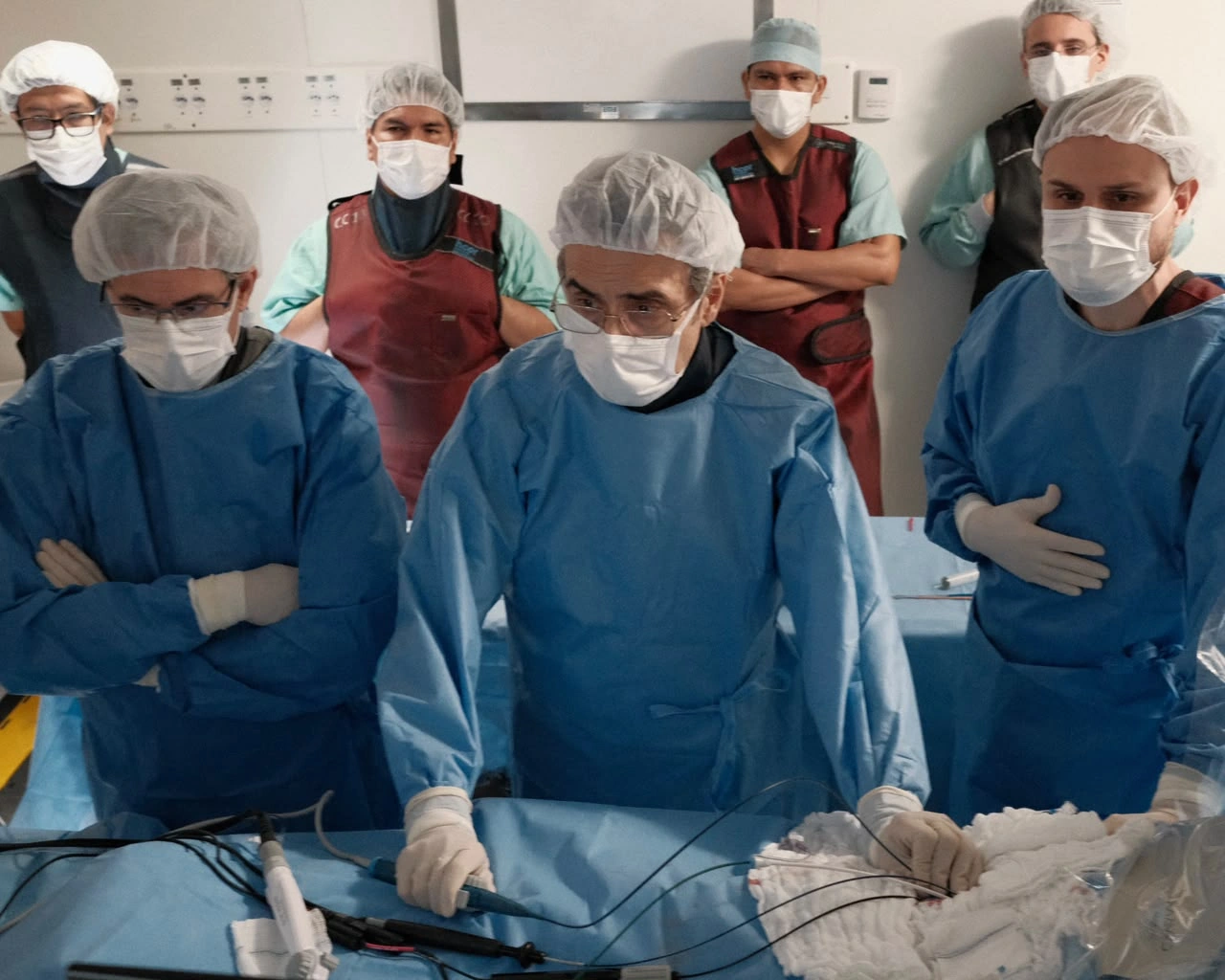
Catheters are usually inserted through veins in the groin and guided to the heart. A controlled passage through the septum between the atria allows access to the left atrium. The catheter procedure does not require opening the chest.
The physician identifies the electrical connections and isolates the pulmonary veins. Different technologies are available, including radiofrequency, cryoablation and pulsed field. The choice of energy, imaging resources and anesthesia depends on the case and the facility where treatment will be performed; it should be confirmed with the team.
Procedure and hospital stay durations vary. After ablation, the heart rhythm and access site are monitored before discharge. [3] [5]
Risks and signs that require attention
Hematoma and bleeding in the groin can occur. Serious complications include tamponade, in which blood accumulating around the heart impairs its function, stroke and injury to blood vessels.
Risks vary with the energy, equipment and strategy used. Thermal techniques can cause injury to the esophagus and, rarely, an abnormal connection between it and the atrium, called a fistula, which can be fatal. Depending on the technique, narrowing of the pulmonary veins or injury to the phrenic nerve can also occur.
With pulsed field, coronary artery spasm and destruction of red blood cells, called hemolysis, have been reported. In rare cases, hemolysis can harm the kidneys. Studies of one platform do not establish the risk rates of another. The team should explain the risks of the proposed strategy and the preventive measures. [3] [6] [7] [10]
Seek immediate medical care for severe shortness of breath, severe chest pain, fainting, significant bleeding or signs of stroke, such as difficulty speaking and weakness on one side of the body. Call SAMU at 192.
Fever, pain or difficulty swallowing in the weeks after ablation also require urgent assessment. Tell the healthcare team that you underwent the procedure.
Recovery and heart rhythm follow-up
At discharge, ask for guidance about the dressing, physical exertion, work, driving and your follow-up appointment. These timelines depend on your recovery and clinical condition.
The 2024 international consensus recommends an initial window of eight weeks, called the blanking period, during which a recurrence does not by itself establish definitive treatment failure. Even during this period, symptoms and prolonged episodes must be reported to the team. This interval is not an exact healing date. [3]
Follow-up may include an electrocardiogram and rhythm monitoring. If the arrhythmia returns, the physician assesses medications, cardioversion or another ablation according to symptoms and test findings.
How long to take an anticoagulant
An improvement in rhythm does not mean that an anticoagulant can automatically be stopped. The 2024 ESC guideline recommends continuing it for at least two months after ablation; the 2023 ACC/AHA/ACCP/HRS guideline recommends at least three months. These are different recommendations for the initial phase, to be applied by the responsible team. [2] [4]
After that period, continuation depends mainly on the individual risk of stroke, not just the apparent success of ablation. Age, hypertension, diabetes, heart failure and previous stroke are considered in this assessment. Bleeding and other factors also need to be reviewed. The plan should be reassessed throughout follow-up.
Recent studies evaluated changes in anticoagulation in selected groups after at least one year without documented recurrence. The results need to be interpreted alongside the risks of stroke and bleeding and rhythm monitoring. Do not stop or replace the medication on your own. [8] [9]
Other AF treatment options
Medications to control the heart rate or maintain the rhythm, as well as cardioversion, may be part of treatment. Blood pressure control, attention to weight, reducing alcohol and assessment for sleep apnea remain relevant even after ablation. [1]
Atrioventricular (AV) node ablation may be considered in specific situations to control the ventricular rate, with a pacing system such as a pacemaker or cardiac resynchronization device. It interrupts the passage of impulses from the atria to the ventricles and makes permanent cardiac pacing necessary. It differs from ablation intended to control atrial fibrillation: it does not eliminate AF in the atria. The need for anticoagulation continues to be assessed according to each person’s stroke risk and health conditions. [4]
For an overview, see the guide to cardiac arrhythmia treatment.
Frequently asked questions
Does ablation cure atrial fibrillation?
It can maintain a normal rhythm for long periods and improve quality of life, but it does not guarantee a permanent cure. AF can return, even years later. The outcome depends on the type of arrhythmia and the condition of the heart. [1]
Does everyone with AF need ablation?
No. Some people have good control with medication and follow-up. The indication depends on symptoms, expected benefits, risks and preferences discussed at the appointment.
Could the procedure need to be repeated?
Yes. Electrical reconnection of the pulmonary veins is one possible cause of recurrence. Another ablation depends on assessment of the rhythm, symptoms and benefit obtained from the first treatment. [1]
Is AF ablation the same as cardioneuroablation?
No. Pulmonary vein isolation treats atrial fibrillation. Cardioneuroablation acts on structures of the nervous system that influence the heart and has different indications.
Does AV node ablation eliminate atrial fibrillation?
No. This strategy controls the ventricular heartbeat, but AF can continue in the atria. After AV node ablation, permanent cardiac pacing is necessary. It does not replace assessment of stroke risk or the individual decision about anticoagulation. [4]
Explore the options for treating your atrial fibrillation
Bring your test results and medication list to discuss treatment options, including the benefits and limits of ablation.
Request an assessment via WhatsApp+55 11 92137-6068 · Scheduling channel, not for emergencies.
Meet the medical teamScientific references
-
Diretriz Brasileira de Fibrilação Atrial, 2025
Cintra FD and colleagues. Arq Bras Cardiol. 2025;122(9):e20250618. Mechanisms, indications, recurrence and integrated care.
-
ESC Guidelines for the management of atrial fibrillation, 2024
Van Gelder IC and colleagues. Eur Heart J. 2024;45:3314-3414. Patient selection and anticoagulation for at least two months.
-
EHRA/HRS/APHRS/LAHRS consensus on AF ablation, 2024
Europace. 2024;26:euae043. Technique, complications and eight-week blanking period.
-
ACC/AHA/ACCP/HRS atrial fibrillation guideline, 2023
Joglar JA and colleagues. J Am Coll Cardiol. 2024;83:109-279. Recommends anticoagulation for at least three months after ablation.
-
Atrial Fibrillation Ablation, Johns Hopkins Medicine
Educational material on preparation, catheter access and recovery. It does not describe a SEMAP-specific protocol.
-
HRS/EHRA. Scientific statement on pulsed field ablation for arrhythmias, 2026
Mechanism, reported risks and differences between pulsed field platforms; it does not provide a rate specific to the SEMAP procedure.
-
Manninger M et al. FOCALFLEX: safety and effectiveness of the TactiFlex Duo system at six months, 2026
Prospective study of the system with two energy modalities; it does not demonstrate an absence of risk or overall superiority.
-
ALONE-AF study: anticoagulation after AF ablation in selected patients, 2025
Strategy trial after at least one year without documented recurrence; it does not change initial care or establish an approach for everyone.
-
OCEAN study: anticoagulation after AF ablation in selected patients, 2026
Trial with its own selection and follow-up; it does not make aspirin a universal substitute for an anticoagulant.
-
MANIFEST-17K registry: safety of pulsed field ablation, 2024
Multicenter registry of another platform; it describes events such as coronary spasm and hemolysis without establishing rates for TactiFlex Duo.